
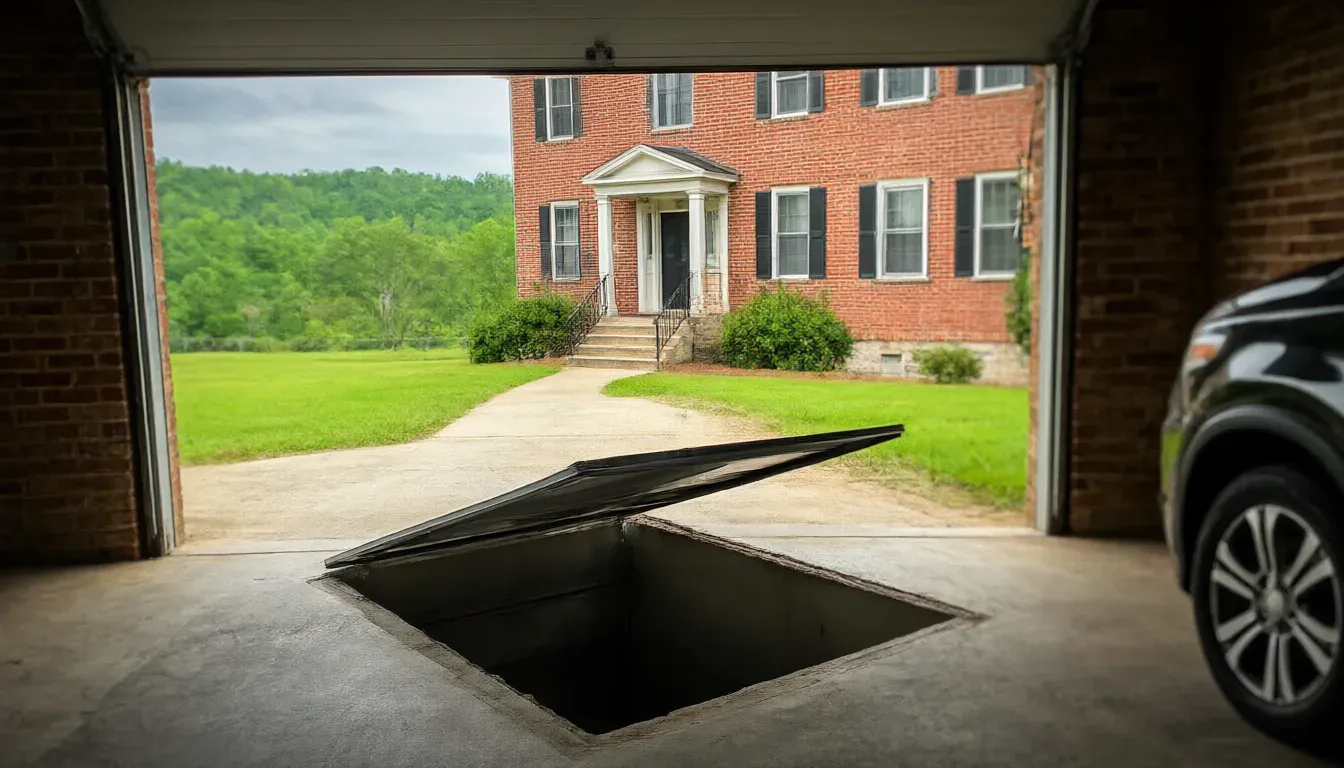
Nashville Superior Storm Shelters | Underground, Garage & Above Ground Storm Shelters and Safe Rooms for Homes and Businesses
Nashville Superior Storm Shelters has installed 1,850+ storm shelters since 2005, from garage in-floor units and backyard underground shelters to above-ground steel safe rooms, precast concrete cellars and site-built tornado rooms. Every shelter we set is built or tested to FEMA P-361 and ICC 500 criteria: a 250 mph design wind and a 15-pound 2x4 striking at 100 mph. Our crews re-pour garage slabs with 4,000 PSI concrete, anchor steel rooms only after test-drilling the slab, and run a hydraulic breaker when the dig hits limestone. Owner Wes Tolliver still walks most sites in Nashville, TN before a quote goes out.
Already have a shelter? We inspect existing units, swap non-rated doors for tested door assemblies, fix leaking in-ground shelters and move above-ground rooms when you move house. We're licensed through the Tennessee Board for Licensing Contractors, carry general liability and workers' compensation insurance, and back every install with a 10-year workmanship warranty. You get an installed price in writing within 2 business days of a free on-site assessment, with any rock written in as an allowance.
Get a FREE Estimate
Or call (629) 736-0578
Why Choose Us as Your Storm Shelter Contractors
Installing Since 2005, Licensed & Insured, 1,850+ Shelters
Wes Tolliver started the company in 2005 and still walks most jobs before we quote them.
Local Crews, No National Dealer Markup on Your Shelter
We buy direct and install with our own 3 crews, so no dealer commission rides on your price.
Free Rock Probe and Slab Test Before You Sign
We probe the dig spot and drill the slab at no charge, so rock shows up on the quote, not the bill.
2 to 4 Week Installs, 7 to 10 Days on Stocked Units
We keep 6-person garage units and 4x6 and 6x8 steel rooms on hand for quick installs.
Tested to ICC 500 at 250 MPH, Door Included
Walls, lid and door on every shelter we install are rated for a 15-pound 2x4 hitting end-on at 100 mph.
Residential Storm Shelter Installation in Nashville
Each of these is a different install with its own rock, slab and access questions. Prices are 2026 installed ranges for Middle Tennessee.
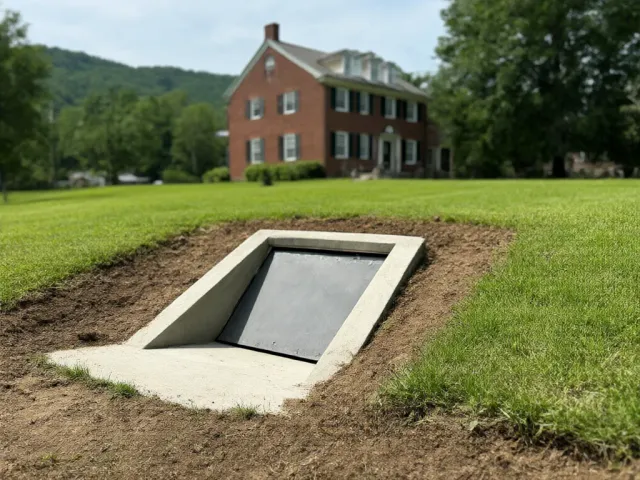
Underground Storm Shelters
Backyard underground storm shelters in steel, fiberglass or precast concrete, set within FEMA's 150-foot travel limit from the house. Each one gets a concrete anchor collar so wet clay can't float it. Expect $6,500 to $11,500 for 6 to 10 people, plus a rock allowance if the probe finds limestone.
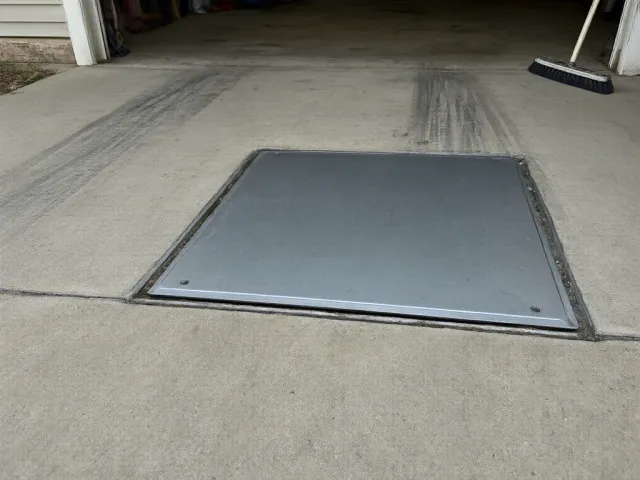
Garage Storm Shelters
An in-floor garage shelter drops about 5 feet below your slab under a slide-top lid. We saw cut, dig, set the steel unit and pour a 4,000 PSI collar in 1 day. A 6-person unit runs $4,800 to $7,200 installed.
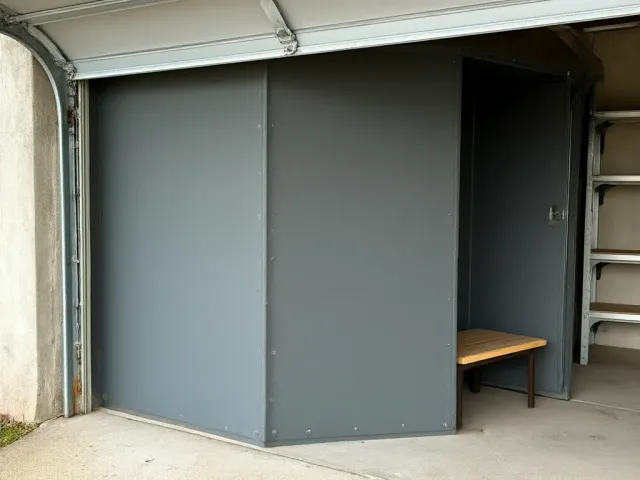
Above Ground Storm Shelters
Above-ground steel safe rooms bolt to a garage or interior slab with no digging, which matters on rock. A 4x6 room holds up to 8 people for $5,200 to $8,400 installed. Most go in within 4 to 6 hours.
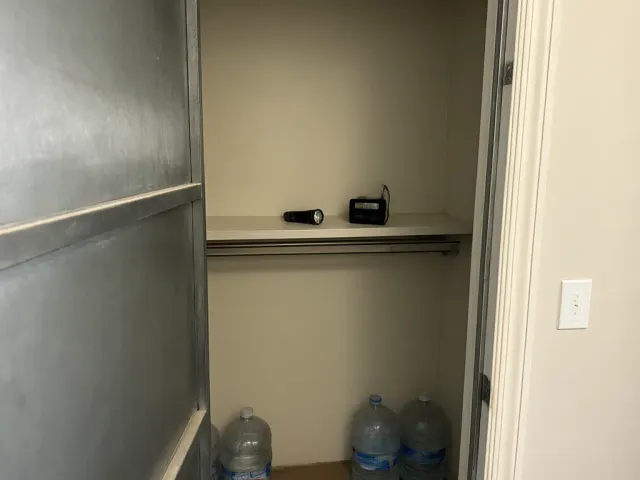
Tornado Safe Rooms
We build tornado safe rooms from reinforced CMU or concrete inside closets, pantries and laundry rooms, finished with a tested door assembly. An 8x8 room with the door runs $15,500 to $24,000. Retrofits take 4 to 7 working days on site.
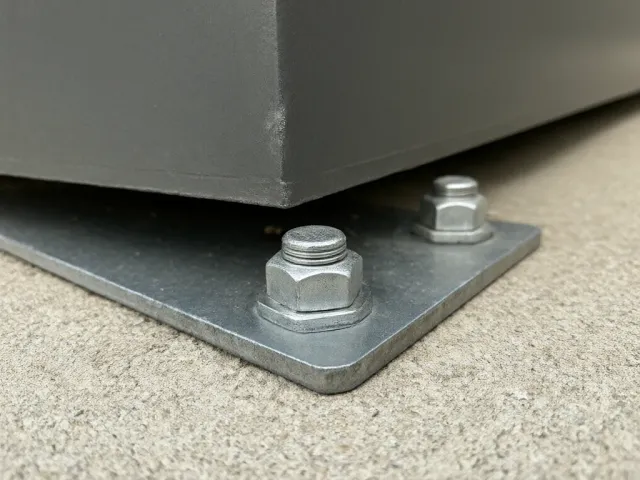
Tornado Shelters for New Homes
Building a house? Put the tornado room in before the slab is poured. FEMA prices a site-built 8x8 safe room at $12,700 to $16,100 in new construction, before the door. We work with your builder on footing depth and anchor layout.
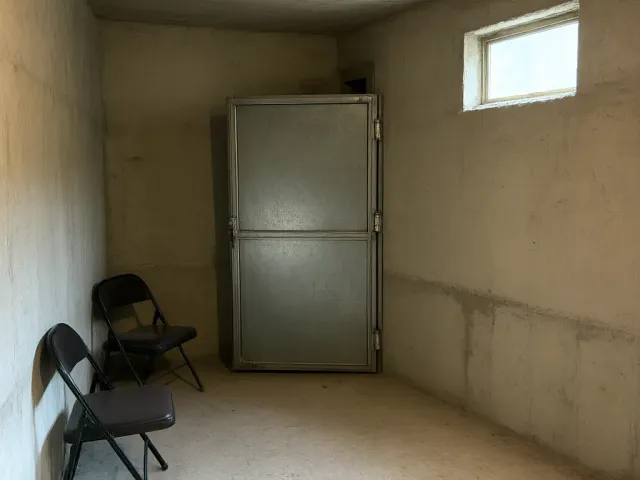
Basement Storm Shelters
If you have a basement, a bolted steel storm room in an interior corner is usually the best value. The panels carry down the stairs in pieces, so there's no crane and no wide door needed. One day on site, $6,800 to $12,500.
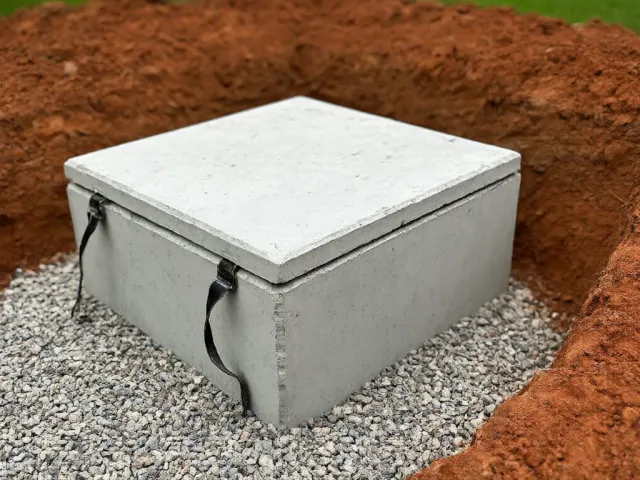
Precast Concrete Storm Shelters
Precast units arrive in one piece at 14,000 to 26,000 pounds and get set by crane or boom truck. Walls are 4 to 6 inches of 5,000 PSI concrete. Plan on $8,500 to $14,000 for 8 to 12 people and a clear truck path.
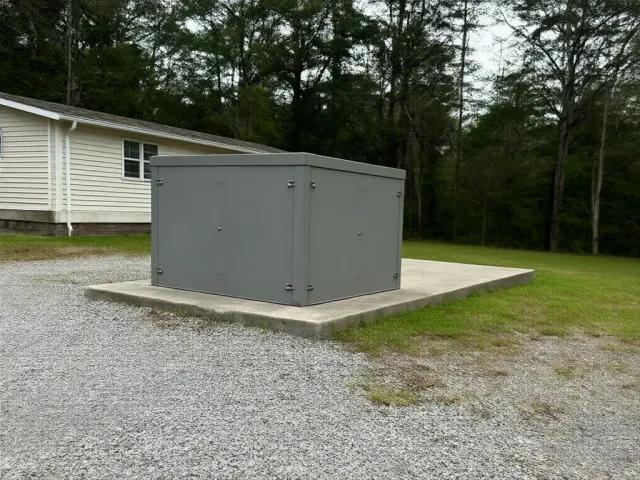
Storm Shelters for Mobile Homes
A manufactured home floor can't carry a safe room. We pour a 6-inch reinforced pad close to your door, let it cure 7 days, then anchor a steel shelter to it. Packages run $5,600 to $8,800.
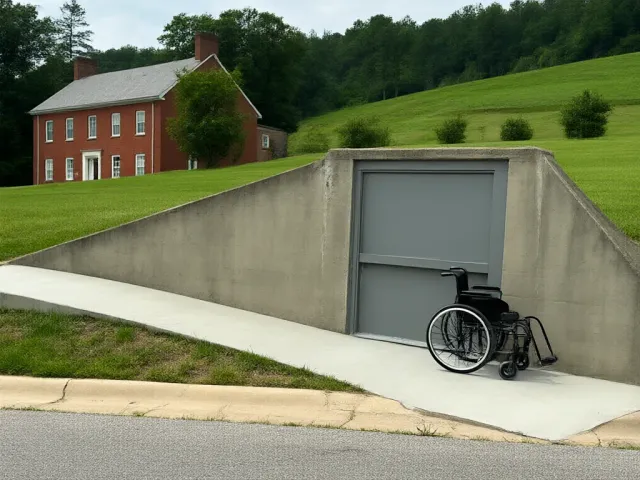
Handicap Storm Shelters
Wheelchair-accessible shelters skip the stairs. You get an above-ground room with a 32-inch clear door, a ramp no steeper than 1:12, and 10 square feet of floor per wheelchair. Installed with the ramp, $9,500 to $16,500.
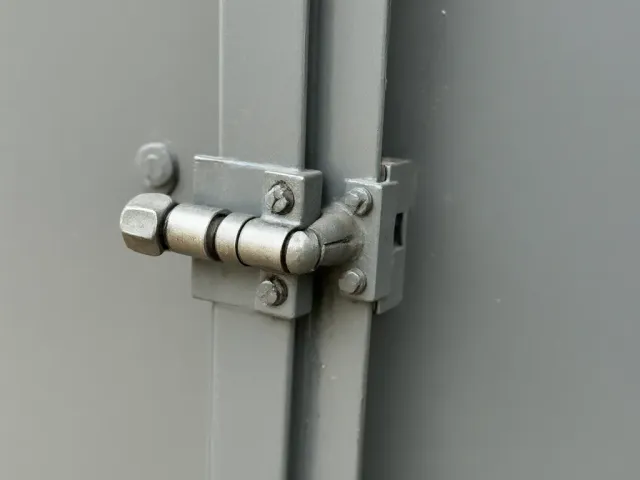
Large Family Storm Shelters
Two households sharing one shelter? A 6x8 steel room covers up to 16 people, the top of FEMA's residential range, for $8,900 to $13,500 installed. Past 16, it's a community shelter and needs engineered drawings.
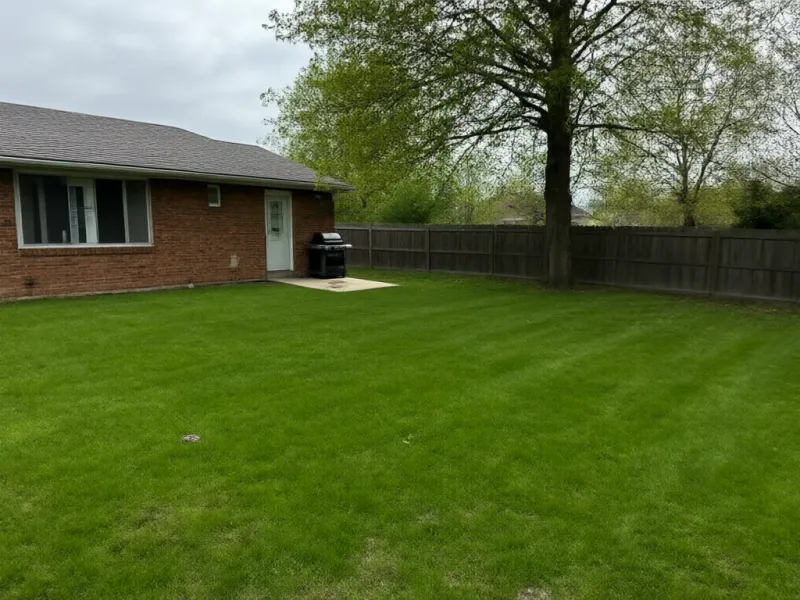
Before and After
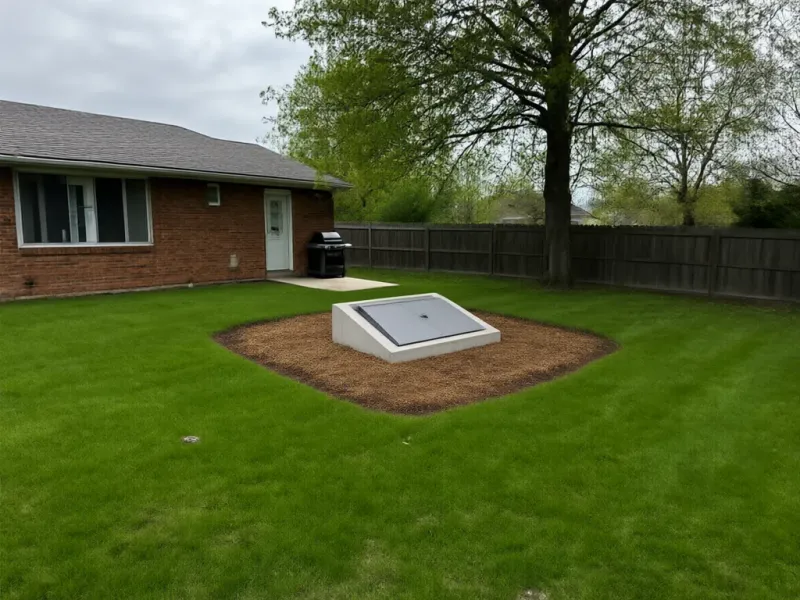
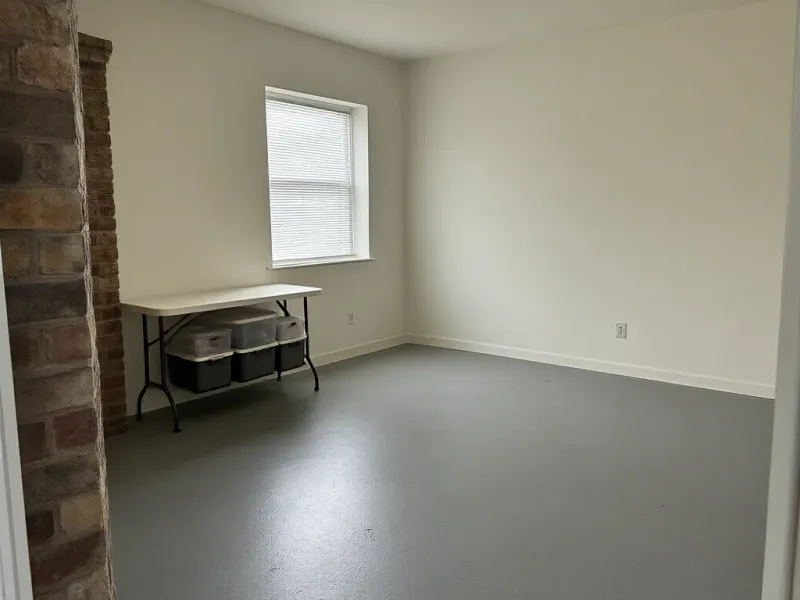
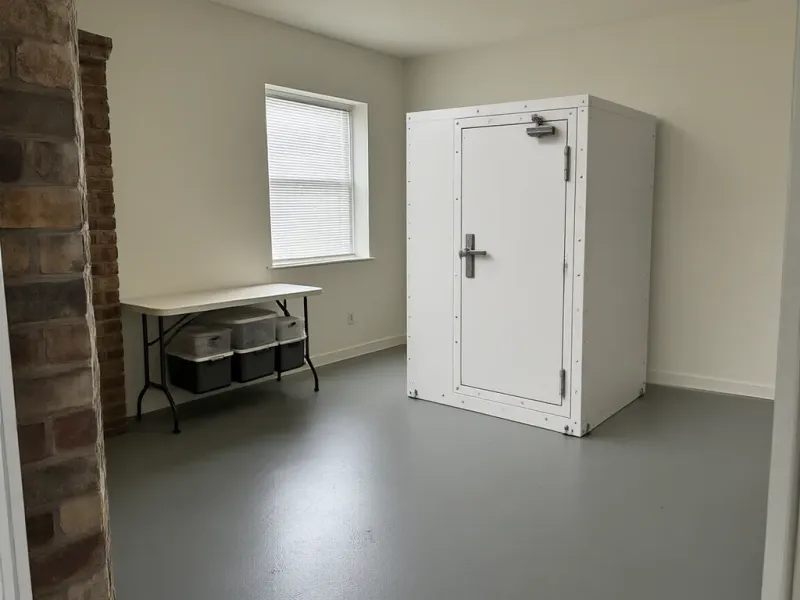
Commercial and Community Storm Shelter Contractors
Anything built for more than 16 people, or for anyone other than a household, is a community shelter under FEMA P-361. That means engineered drawings and community spacing.
Church Storm Shelters
A congregation that meets on Wednesday nights needs a plan for a warning mid-service. Prefab community units for 20 to 50 people run $38,000 to $95,000, sized at 5 square feet per seated person.
School and Daycare Storm Shelters
Classrooms need room for wheelchairs, not just seats. FEMA P-361 allows 10 square feet per wheelchair user, double the standing figure. We build from the engineer's drawings and schedule the special inspections.
Mobile Home Park and Apartment Shelters
Manufactured home residents have no safe interior room to use. A shared shelter on a pad within a short walk of every lot is the fix, and above 16 occupants it's engineered as a community shelter.
Warehouse and Job Site Shelters
Metal buildings and job trailers give crews little cover. We set steel rooms on new 6-inch pads at shops and yards, sized at community spacing of 5 square feet per person, not the 3 used in homes.
Medical and Dental Office Safe Rooms
A patient in the chair can't always walk to a shelter. Planning space runs 30 square feet per person on a bed or stretcher, so we lay these rooms out with the practice before anything is ordered.
Storm Shelter Repair, Inspection and Upgrade Services
Storm Shelter Inspections
Door seals dry out, latches drift and anchors loosen when a slab cracks. We check our own installs free for the first 3 years. After that, or on a shelter someone else installed, the check is $95.
Safe Room Door Replacement
A non-rated door turns a strong room into a weak one. We supply and hang tested door assemblies on existing rooms for $2,900 to $4,200, after we confirm the walls can carry the door's loads.
In-Ground Shelter Leak Repair
Standing water in an underground shelter usually comes from the grade, a tired hatch seal or a joint. We reseal, regrade and add a drain or sump for $450 to $1,800.
Above-Ground Shelter Relocation
Moving house? A bolted steel room can come with you. We unbolt, move and re-anchor it for $1,100 to $2,200 within our area, with a slab test at the new address first.
What Makes Us the Right Storm Shelter Contractor in Nashville
Plenty of companies can sell you a shelter. Fewer can tell you what's under your garage slab before they quote it. That's the gap between a price and a guess.
Since 2005, our crews have set 1,850+ shelters across Middle Tennessee. Here's how we work and what goes into each install, in enough detail that you can hold any installer, us included, to the same standard.
How a Storm Shelter Installation Goes
Call and a Few Questions
Tell us who's in the house, where you'd shelter today and what kind of foundation you have. Call before 3pm and we call back the same business day.
Free On-Site Assessment
Within 5 business days, we probe for rock at the dig spot, drill a slab test hole, check the flood map and time the walk from the bedrooms.
Written Installed Quote
Within 2 business days you get one installed price with the permit, concrete and any rock allowance spelled out. Nothing starts until you sign.
Install Day
We call TN811 for utility locates first. Then it's 1 day for a garage unit, 4 to 6 hours for an above-ground room, and 1 to 2 days for a backyard shelter.
Walkthrough and Paperwork
We open and latch the door with you, hand over the test documents and warranty, and record your shelter's coordinates for first responders.
Limestone Under the Dig
Most of Middle Tennessee sits on Ordovician limestone, and the soil over it is often thin. About 6 in 10 of our in-ground digs hit rock before full depth. We've found it anywhere from 18 inches to 5 feet down.
That's why the free assessment includes a rock probe at the exact spot the shelter will go. If the probe stops short, the quote carries a rock allowance of $600 to $2,400. You pay only for the rock we actually break.
Both of our mini excavators run a hydraulic breaker. Inside a garage, we work the breaker slowly along the saw cut so the slab outside the opening stays intact.
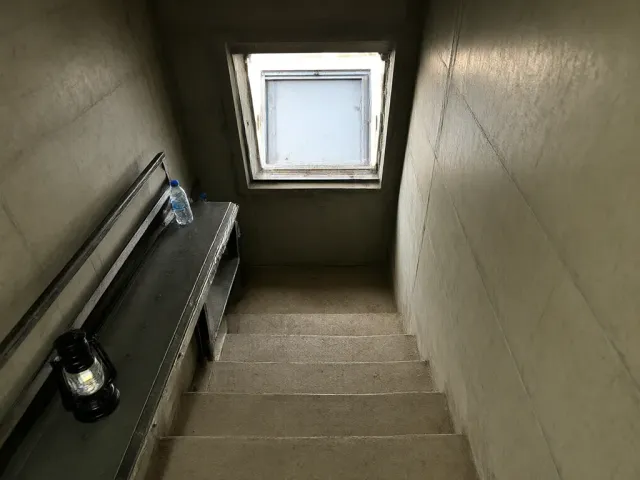
ICC 500, FEMA P-361 and the 15-Pound 2x4
Shelter standards come down to two numbers: a 250 mph design wind and a 15-pound 2x4 hitting end-on at 100 mph. FEMA P-361 sets the safe room criteria. ICC 500 is the consensus standard the building codes point to, and FEMA P-320 applies both to homes.
Every unit we install is built or tested to those criteria. Before you sign, we show you the manufacturer's test documentation and the door label. FEMA doesn't certify shelters, so be wary of any ad that says it does.
It's also worth asking whether the producer belongs to the National Storm Shelter Association. NSSA producer members have their designs checked by approved third-party engineers and debris tested at approved facilities. We'll tell you which of our models come from those producers.
Shelter Doors, Latches and Hinges
The door is the weak point on every shelter. FEMA has documented serious injuries and deaths in rooms with solid walls and a substandard door. In a small room, you're sitting right next to it.
Every door we hang is a tested assembly, meaning the leaf, frame, hinges and latch were tested together. The models we carry use a three-point latch that bears on the frame at the top, middle and bottom.
One handyman-built closet we looked at in Hermitage had block walls and an ordinary $200 steel door with one deadbolt. A new door alone wouldn't have fixed it, because the block cores weren't grouted. We look at the walls and the door together, every time.
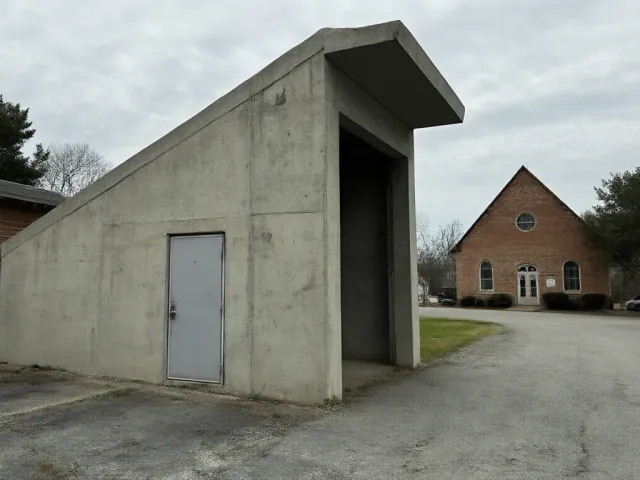
Anchors, Slab Thickness and the Test Hole
An above-ground room is only as strong as the slab it's bolted to. Some garage slabs are thinner than a shelter's anchor schedule calls for, and you can't tell by looking.
So we drill a test hole during the assessment and measure. If the slab comes up short, we pour a 6-inch reinforced pad of 4,000 PSI concrete and wait the full 7 days before the room goes on.
ICC 500 calls for a special inspection when a shelter is anchored to hardened concrete with post-installed anchors. We put that inspection on the schedule from day one, so it doesn't hold up your install.
Keeping Underground Shelters Dry
Water is the most common complaint we hear about other people's in-ground shelters. Clay over limestone drains slowly, and a buried box in a low spot fills like a bathtub.
We read the yard before we pick the spot: where the downspouts empty, where water stands after rain, how the grade falls. Then we set the shelter on the high side, slope the grade away, seal the hatch and run a drain to daylight where the lot allows.
A Smyrna shelter set by another installer held about 14 inches of water every spring. We pumped it, resealed it, regraded the yard and added a drain. If a lot can't drain, we'll tell you to go above ground.
Steel, Fiberglass or Precast Concrete
The steel units we carry use 3/16 to 1/4 inch plate with a rust-resistant coating. They come in garage, backyard and above-ground versions, and they're the easiest to get onto a tight lot.
Fiberglass won't rust, but it's light enough to float in saturated soil, so it always gets a concrete anchor collar. Precast concrete is the heavy option at 14,000 to 26,000 pounds, with 4 to 6 inch walls of 5,000 PSI concrete.
Which is best? It mostly comes down to access. Precast needs a crane path to the hole. Steel rooms fit through a garage door. Fiberglass suits a backyard where a heavy truck would wreck the lawn.
Sizing: 3 Square Feet Per Person
FEMA's number for a home tornado shelter is at least 3 square feet of floor per person. A 4x6 room covers up to 8 people. A 6x8 covers up to 16, which is the top of the residential range.
We size for who's home on a weeknight plus a couple of guests. Bigger costs more and isn't any safer. If someone uses a wheelchair, plan 10 square feet for that person, the figure FEMA uses for community shelters.
Flood Maps and Where Not to Dig
FEMA guidance doesn't allow a storm shelter in a floodway, under any circumstance. In a mapped flood zone, the shelter floor should sit at or above the flood elevation the local authority sets.
Creek bottoms and river lots around Nashville need a map check before anyone digs. We pull the flood map during the assessment. If the lot is in a floodway, we won't sell you an in-ground shelter, and nobody else should either.
Warranty and After-Install Checks
Every install carries our 10-year workmanship warranty on the anchoring, the concrete collar or pad, the door adjustment and any drainage we put in. The manufacturer's structural warranty passes to you, and its length depends on the model.
For the first 3 years we come back once a year to check the door, latch, seals, anchors and vents, free. After that the annual check is $95. You also keep a folder with the test documents, the door label photo, the permit and your shelter's coordinates.
Registering Your Shelter With First Responders
After a bad storm, a shelter door can end up under a tree or a wall. FEMA recommends sending the exact coordinates of the entrance to local emergency officials right after install, not the night a storm is coming.
We take the reading on install day and help you send it in, free. Ask your county emergency management office how they want it. Then give the same coordinates to a relative who lives outside the area.
Tornado Shelter Cost in Nashville, TN
Here are honest numbers for 2026, installed, in Middle Tennessee. Every quote is in writing, and rock goes in as an allowance so it can't surprise you.
Your final price depends on size, access for the crew and equipment, slab thickness and whether the probe finds limestone.
| Job | Typical range | What drives the price |
|---|---|---|
| Garage in-floor shelter, 6-person | $4,800 to $7,200 | Saw cut, dig, set and 4,000 PSI collar in 1 day |
| Above-ground steel room, 4x6 ft | $5,200 to $8,400 | Up to 8 people, no digging |
| Above-ground steel room, 6x8 ft | $8,900 to $13,500 | Up to 16 people |
| Backyard underground, steel or fiberglass | $6,500 to $11,500 | 6 to 10 people, anchor collar included |
| Precast concrete underground | $8,500 to $14,000 | 8 to 12 people, crane or boom truck set |
| Basement storm room | $6,800 to $12,500 | Bolted steel panels in an interior corner |
| Site-built in-home safe room, 8x8 ft | $15,500 to $24,000 | Reinforced CMU or concrete with a tested door |
| Mobile home shelter package | $5,600 to $8,800 | 6-inch pad plus an above-ground unit |
| Rock excavation allowance | $600 to $2,400 | Billed only if we actually hit limestone |
Grant money comes and goes, usually after a federal disaster declaration. We couldn't find an open Tennessee safe room rebate for homeowners, so ask your county emergency management office whether any safe room funding is open before you sign anything.
Our Storm Shelter Service Areas Around Nashville
Nashville Superior Storm Shelters serves surrounding areas to Nashville, TN, including Franklin, Brentwood, Murfreesboro, Hendersonville, Gallatin, Mount Juliet, Smyrna and Lebanon.
Tornadoes here don't stick to one side of town. The April 16, 1998 tornado crossed downtown and East Nashville into Donelson and Hermitage. The March 3, 2020 EF3 cut through North Nashville, Germantown and East Nashville before hitting Mount Juliet. On December 9, 2023, another ran from Madison through Hendersonville into Gallatin.
The ground changes as you drive out. Rutherford and Wilson counties have cedar glades where limestone sits at or near the surface, so more of our Murfreesboro, Smyrna and Lebanon jobs go above ground or carry a rock allowance. Older East Nashville bungalows on crawlspaces often suit a backyard unit, while newer subdivisions in Williamson and Sumner counties usually have the slab and garage for an in-floor shelter.
- Nashville, TN
- Franklin, TN
- Brentwood, TN
- Murfreesboro, TN
- Hendersonville, TN
- Gallatin, TN
- Mount Juliet, TN
- Smyrna, TN
- Lebanon, TN
Storm Shelter Questions Nashville Homeowners Ask
Are you searching for 'storm shelters near me'?
If you've been searching for storm shelters near me in Nashville, TN, you've found a local crew. Nashville Superior Storm Shelters is a Nashville-based storm shelter contractor serving Nashville and Middle Tennessee since 2005. Call us at (629) 736-0578 or request a free quote. Reach us before 3pm and we call back the same business day.
How much does a tornado shelter cost in Nashville?
Most homeowners spend $4,800 to $7,200 on a 6-person garage in-floor shelter or $5,200 to $8,400 on a 4x6 above-ground room, installed. Precast units and site-built safe rooms cost more. If the probe finds rock, the quote includes a $600 to $2,400 allowance.
Is an underground storm shelter safer than an above-ground one?
Not when both meet FEMA P-361. FEMA says an above-ground safe room built to those criteria is just as safe as an in-ground one. The better question is which one your family can reach fastest, and which one your lot and your rock allow.
What happens if you hit rock during the dig?
We break it with the hydraulic breaker on the excavator. Because we probe the spot during the free assessment, you'll know the odds before you sign, and the allowance is already in the quote. About 6 in 10 of our in-ground digs hit limestone.
Do I need a permit for a storm shelter?
Many Middle Tennessee cities and counties require a building permit, especially for in-ground shelters and site-built safe rooms. We pull it where it's required and build any inspection into the schedule.
Is there a safe room grant or rebate in Tennessee?
We haven't found an open homeowner safe room rebate in Tennessee. Funding sometimes follows a federal disaster declaration, so ask your county emergency management office whether anything is open before you sign. We'll supply the paperwork any program asks for.
How fast can you install a storm shelter?
Most installs happen 2 to 4 weeks after you sign. Stocked garage units and 4x6 and 6x8 steel rooms can go in within 7 to 10 business days. Precast takes 3 to 6 weeks because of the casting and crane schedule.
Are you licensed and insured in Tennessee?
Yes. We're licensed through the Tennessee Board for Licensing Contractors and carry general liability and workers' compensation insurance. You can look up any contractor on the board's website before you hire them, and you should.
Talk to a Nashville Storm Shelter Contractor About Your Site
Give us a call at (629) 736-0578, Mon-Fri 7am-6pm. We'll set up a free on-site assessment with a rock probe and slab test, then send an installed price in writing within 2 business days.